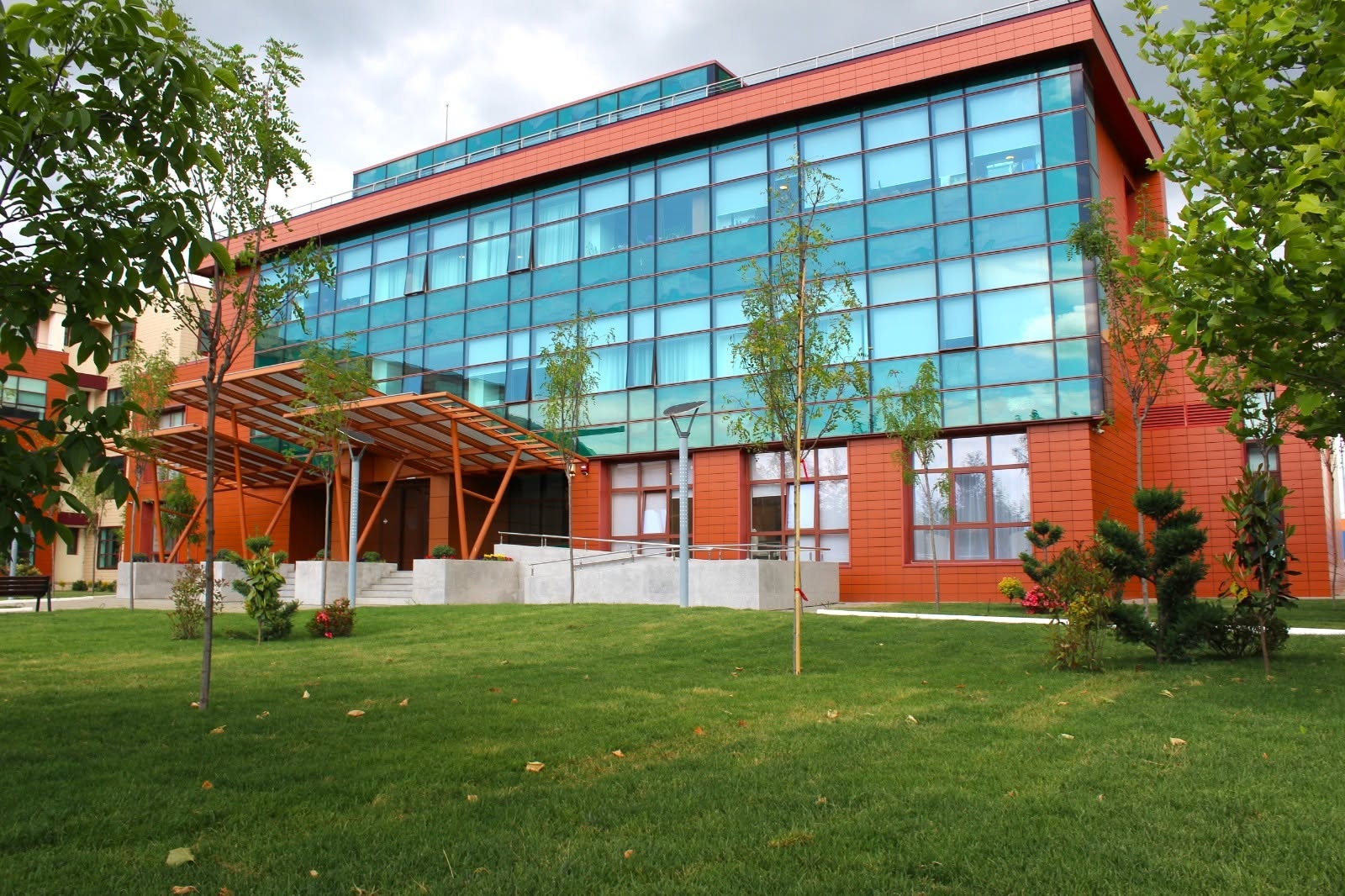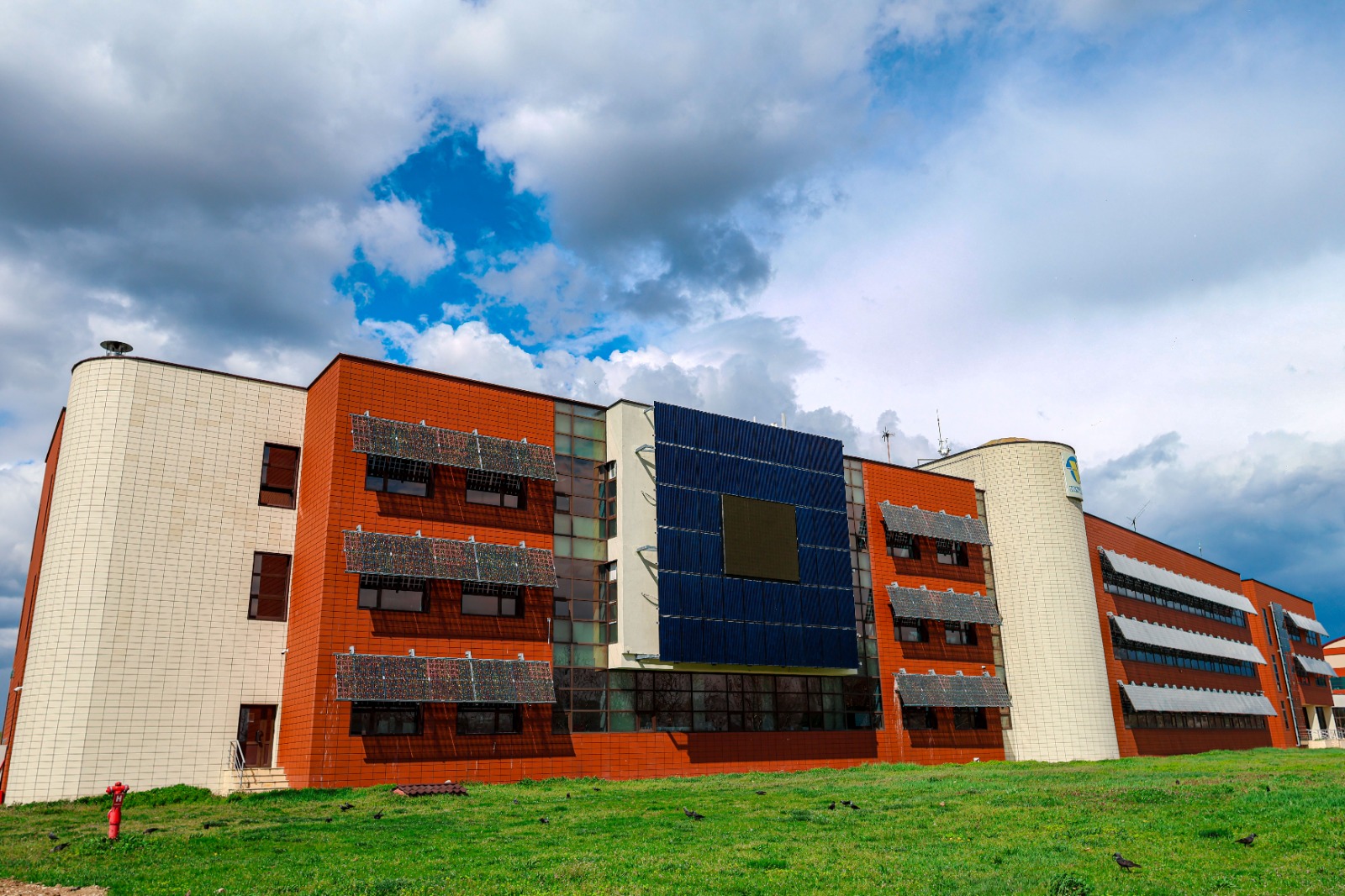





The Networking and Career Development Center for Research in the South-Muntenia Region (CNDCSM), operating within Valahia University of Targoviste, promotes a scientific result focused on one of the most urgent challenges of digital transformation: the security and resilience of Internet of Things (IoT) networks against coordinated cyberattacks.
IoT systems are increasingly used in smart buildings, industrial monitoring, agriculture, energy management, public services and environmental sensing. Their value comes from connectivity and real-time data exchange, but the same features can expose them to cyber risks. When a network includes many devices with different levels of protection, attackers may exploit vulnerable nodes and use them as part of botnet or distributed denial-of-service scenarios.
The research disseminated through CNDCSM evaluates the behaviour of IoT networks under simulated botnet and DDoS attacks using a controlled modelling environment. By comparing normal operation with attack scenarios, the study makes visible how malicious traffic changes network performance, affects communication flows and increases delays that can compromise the reliability of connected services.
One of the most relevant results shows performance decreases of up to 67% under distributed attack conditions, accompanied by a significant increase in latency. These findings are not only technical indicators. They describe a concrete risk for any digital system that depends on timely communication, from industrial sensors and smart-energy devices to environmental monitoring platforms and public-service applications.
The study also confirms the importance of the security-by-design principle. In practical terms, this means that cybersecurity should not be added at the end of development, after a device or platform is already deployed. It should be considered from the first design stages, together with network architecture, authentication, traffic monitoring, anomaly detection and response mechanisms.
For research and development organisations in the South-Muntenia Region, the result is relevant because it connects advanced simulation, cybersecurity, digital infrastructure and applied engineering. It provides a foundation for future work on detection mechanisms, prevention strategies and resilient architectures capable of maintaining service quality even when network traffic is intentionally disrupted.
At Valahia University of Targoviste, this research direction is connected to the applied research capacity of the Multidisciplinary Scientific Research Institute (ICSTM), where research, development and innovation activities are carried out together with the university faculties. ICSTM’s experimental infrastructure includes prototyping and testing environments relevant to connected industrial systems, such as flexible mechatronic assembly and disassembly lines controlled through PLCs and equipped with FANUC and ABB industrial robotic manipulators. These environments combine automation, software control, data exchange and IoT components, which makes cybersecurity a practical requirement for the safe operation of smart production, energy-management and monitoring solutions.
The result also fits the broader engineering research ecosystem developed at Valahia University of Targoviste. Doctoral and postdoctoral activity is connected with fields such as electrical engineering, mechanical engineering, materials engineering, electronic engineering, telecommunications and information technologies, and systems engineering, while doctoral candidates are integrated in ICSTM research centres and contribute to scientific publications, patents and conference outputs. In this context, the IoT security study promoted by CNDCSM can be read as part of a wider institutional effort to link simulation, automation, intelligent systems and digital resilience with the training of new researchers.
The work also has a strong career-development dimension. Young researchers who enter fields such as cybersecurity, computer networks, automation or data-driven engineering need to understand not only how technologies function in ideal conditions, but also how they behave under stress, interference and hostile activity. Simulation offers a safe and rigorous way to test these conditions before solutions are deployed in real environments.
Through the promotion of this result, CNDCSM strengthens the link between scientific research and the practical needs of a society that depends on secure digital systems. The centre supports the visibility of research outputs and encourages dialogue between universities, research laboratories, industry and public institutions on topics that directly influence economic and social resilience.
As IoT adoption continues to expand, the capacity to measure vulnerabilities, anticipate attacks and design robust systems becomes essential. The research promoted by CNDCSM shows that regional scientific expertise can contribute to safer digital infrastructures and to the development of solutions aligned with European priorities in cybersecurity, innovation and trustworthy digital transformation.
Acest material a fost scris și redactat de echipa UV Târgoviște. Informațiile prezentate în acest material nu reflectă nici într-un mod opiniile echipei #diez.