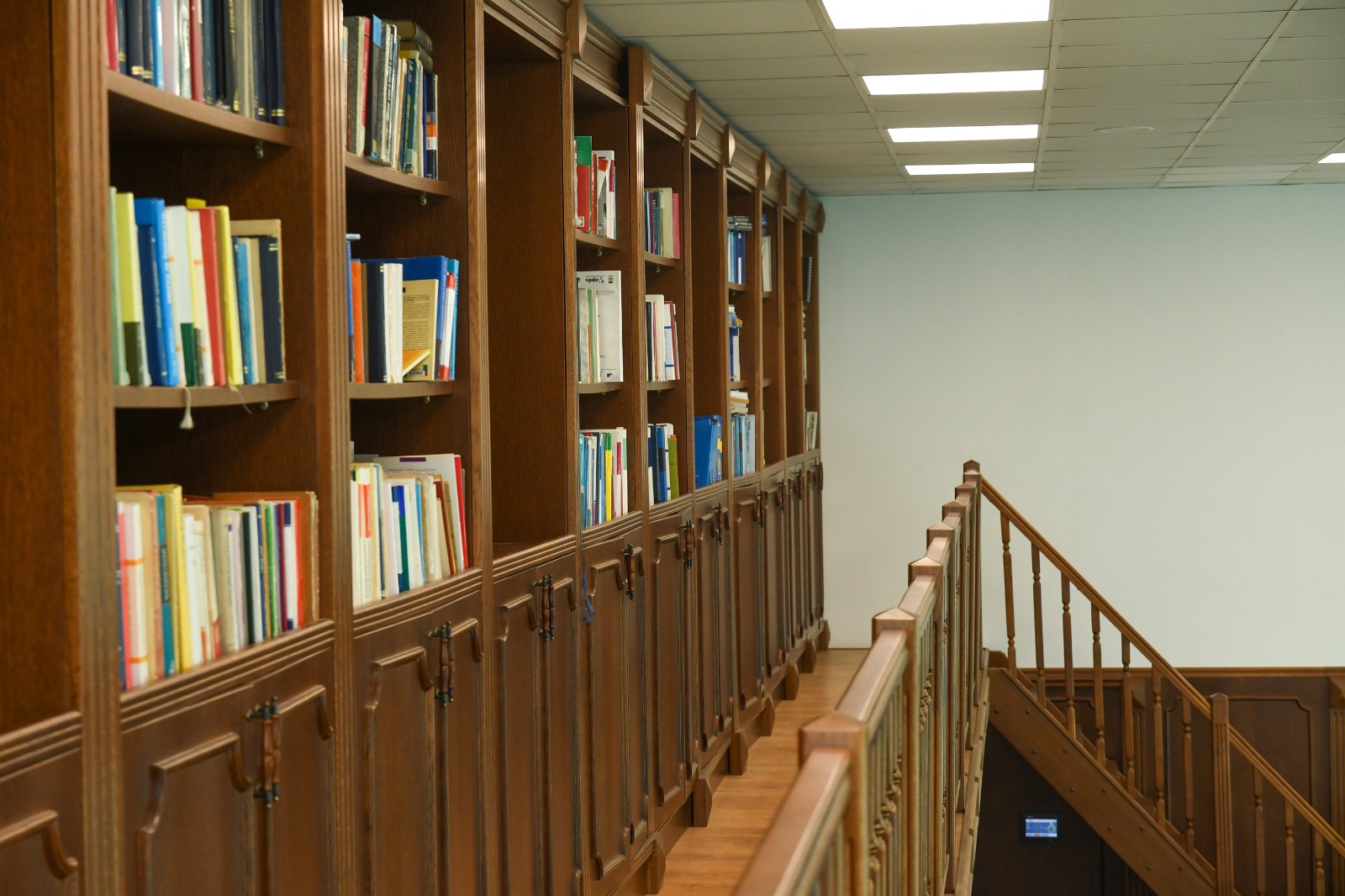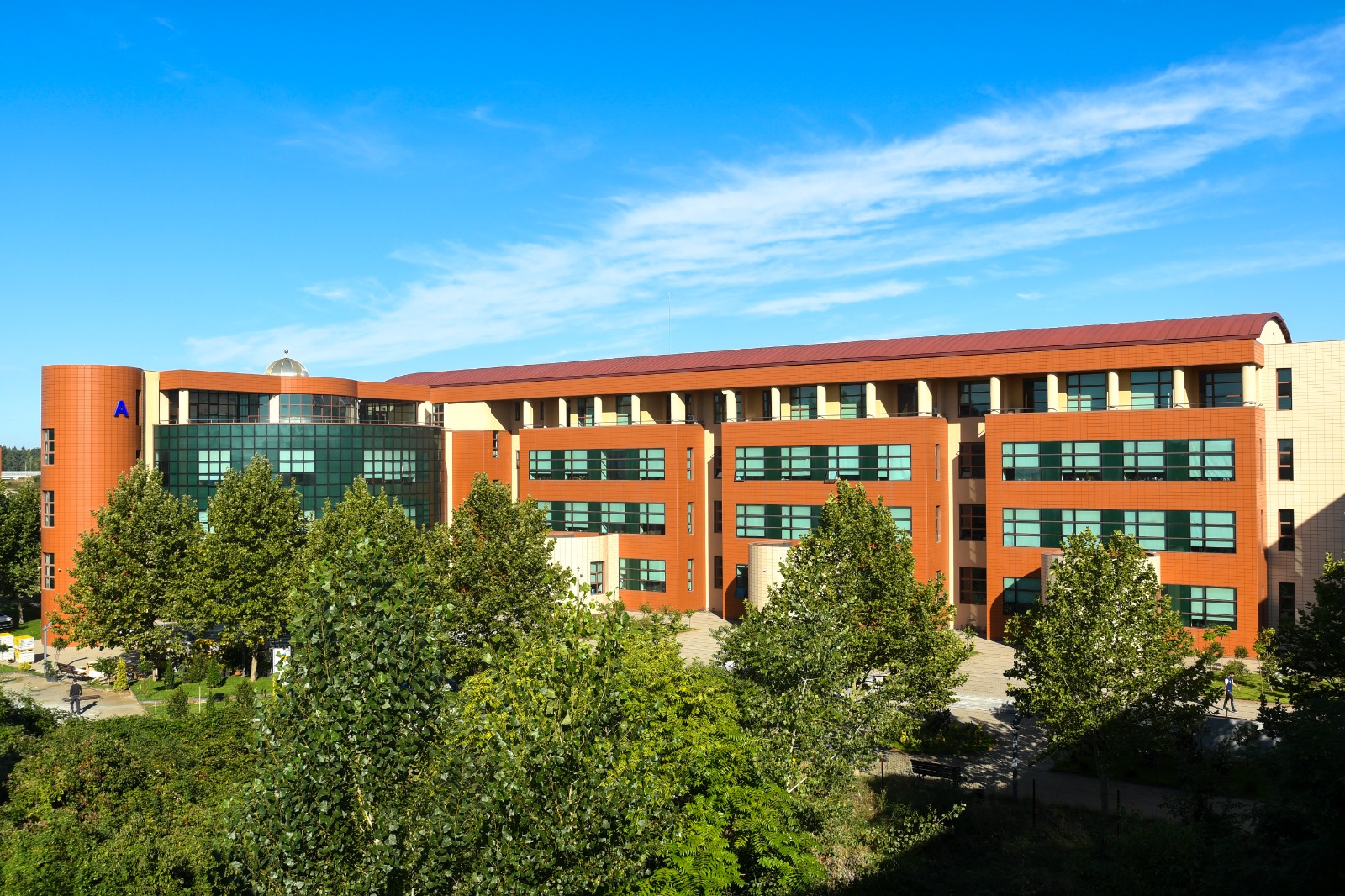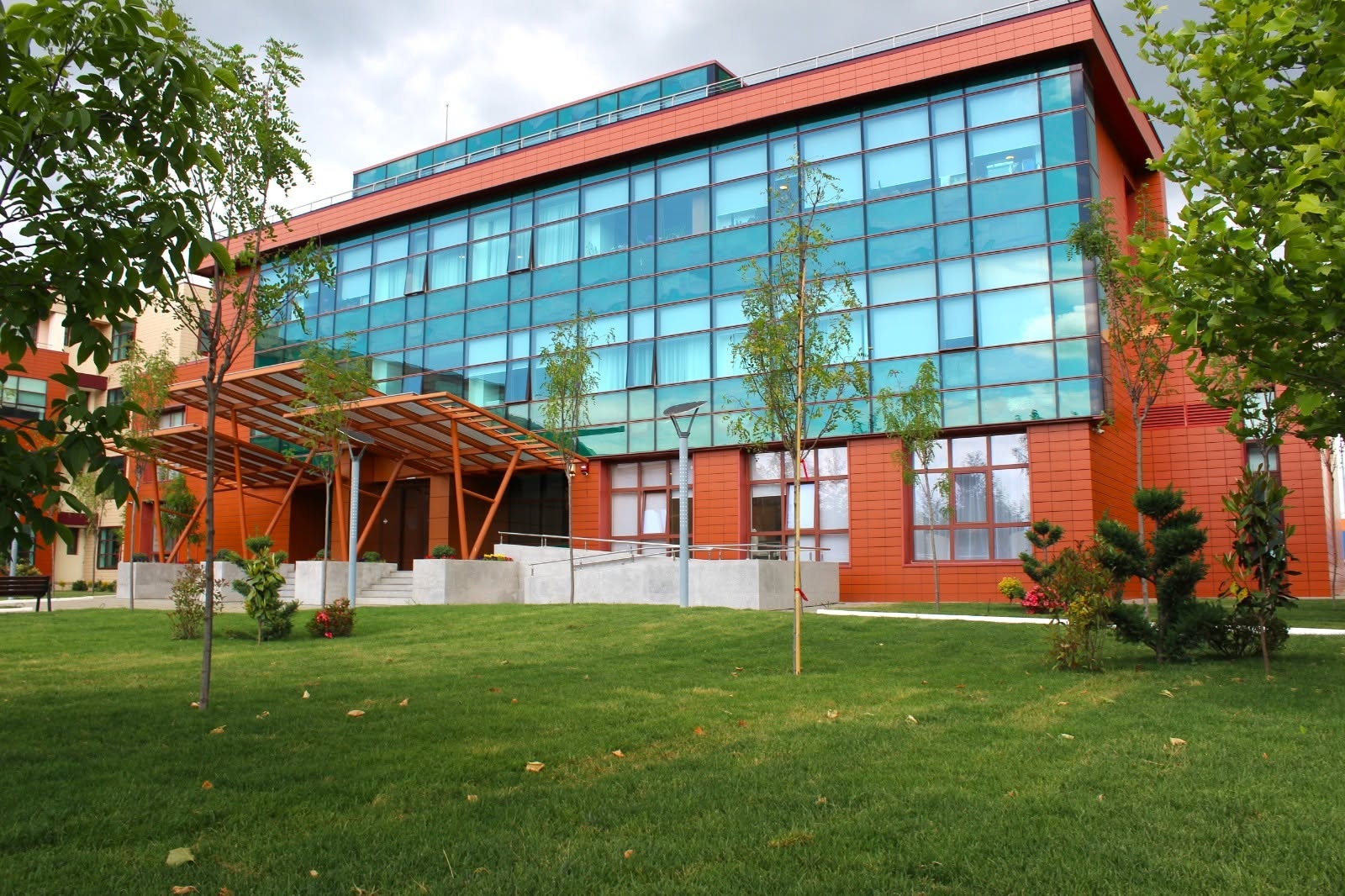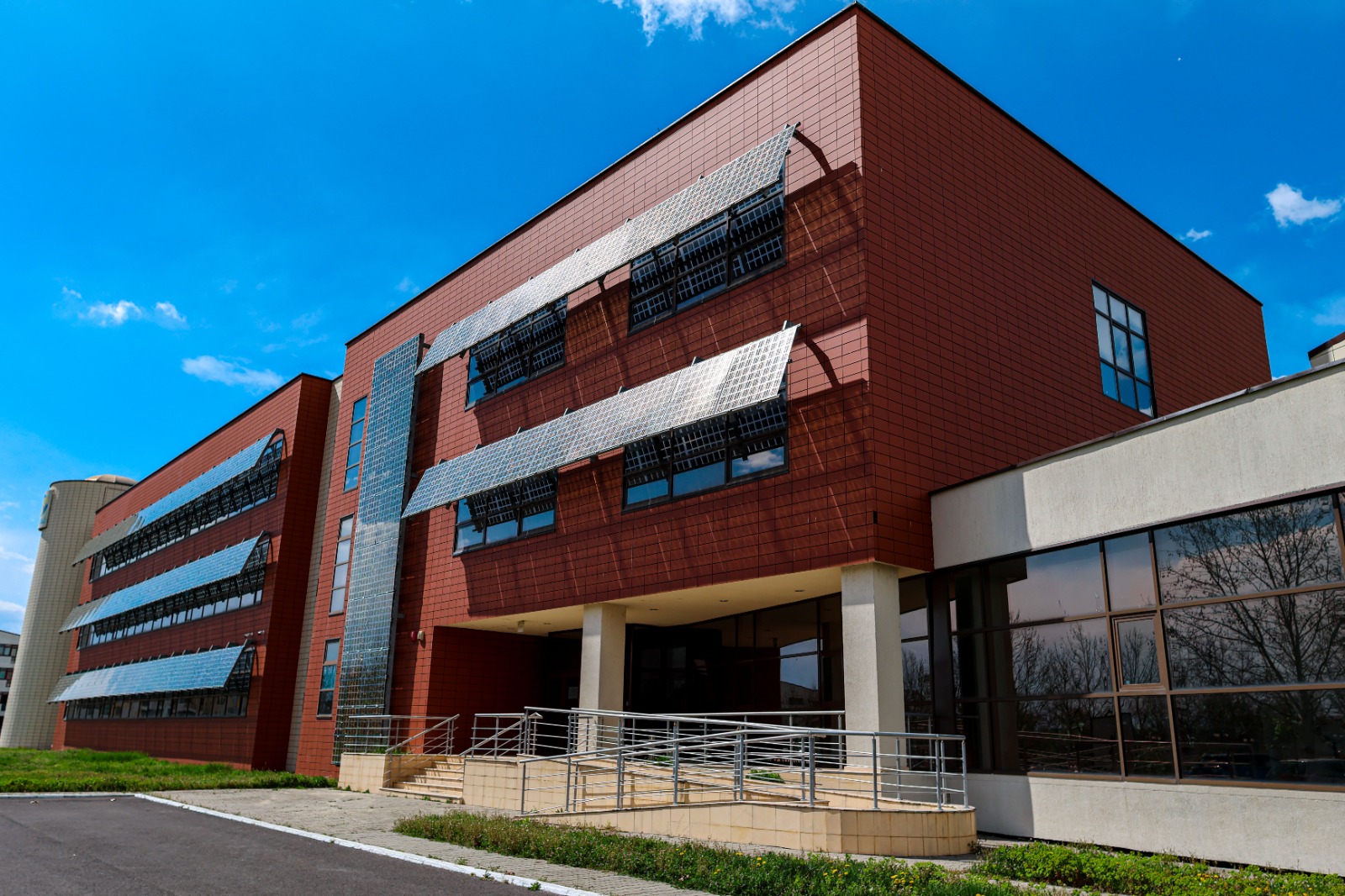


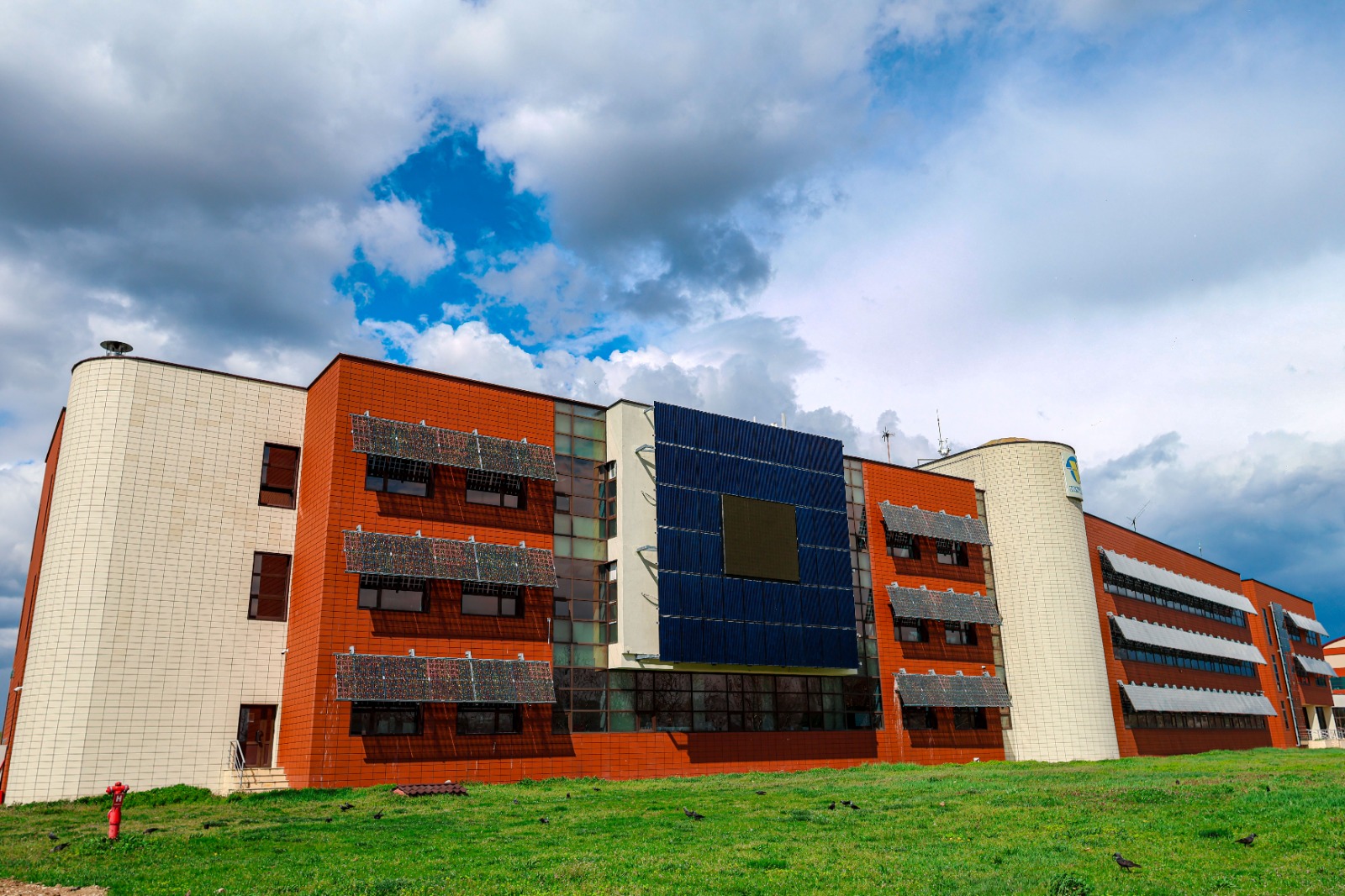


The Networking and Career Development Center for Research in the South-Muntenia Region (CNDCSM), created within Valahia University of Targoviste, promotes a model of research development in which scientific performance, career guidance and institutional cooperation are treated as connected parts of the same ecosystem.
The centre brings together activities dedicated to students, master’s students, doctoral candidates, postdoctoral researchers, academic staff and specialists from research, development and innovation organisations. Its purpose is to make research careers more visible, more accessible and more connected to the needs of society, while supporting the circulation of knowledge between laboratories, doctoral schools, industry and the community.
In 2026, the research and doctoral ecosystem associated with Valahia University of Targoviste shows a strong capacity for training and knowledge generation. Current data presented within CNDCSM activities indicate 173 doctoral candidates, 56 doctoral supervisors and 954 confirmed doctoral graduates. The university’s doctoral structure includes fields from economic, humanities and engineering sciences, with new directions that strengthen the connection between research, technology and societal needs.
The engineering doctoral environment is closely linked to research centres and laboratories active in areas such as materials engineering, electrical engineering, mechanical engineering, electronics, telecommunications, information technologies and systems engineering. Doctoral candidates are integrated into research teams, participate in projects and contribute to scientific outputs, including high-quality indexed articles, patents and conference presentations.
This research environment is complemented by multidisciplinary examples from the Institute for Multidisciplinary Scientific Research. Activities promoted through CNDCSM highlight prototype development, mechatronic assembly and disassembly systems, robotics, automation, IoT-based monitoring, energy applications, environmental research, smart materials and applied solutions for industry and communities. These examples show that research is not an isolated academic activity, but a process that can generate tools, methods, technologies and knowledge with social and economic value.
One concrete example is the flexible mechatronic assembly and disassembly line used within the Institute for Multidisciplinary Scientific Research. By bringing together PLC-controlled workstations, industrial robotic manipulators and automated handling modules, this infrastructure supports applied research on flexible manufacturing, production optimisation, robotics and IoT-supported control. It gives researchers and doctoral candidates a practical environment in which digital technologies can be tested in relation to real industrial processes.
Valahia University of Targoviste also strengthens this ecosystem through doctoral schools and research centres connected to materials engineering, electrical engineering, electronics, telecommunications, information technologies, systems engineering, smart materials and environmental monitoring. This connection between doctoral training and research infrastructure helps transform individual research topics into visible outputs such as scientific articles, patents, prototypes, conference contributions and solutions relevant for economic and community partners.
A distinctive contribution of CNDCSM is the emphasis placed on career orientation. Research careers require more than technical competence. They require confidence, planning, collaboration, communication, ethical responsibility and the ability to choose relevant research directions. Through events, presentations, interviews and exchanges of good practices, the centre offers young people concrete examples of how researchers build professional paths and how scientific work can evolve from curiosity to recognised results.
The interviews and good-practice materials developed around CNDCSM present research as a diverse professional space. Mathematics, archaeology, environmental science, artificial intelligence, electrical engineering, materials science, innovation and technology transfer appear as different routes towards the same goal: producing knowledge that can be validated, shared and used. This diversity is important for young researchers because it shows that a research career can be built in many fields and through many types of collaboration (for more information: https://cndsm.eu/index.php/en/events-and-activities/researcher-interviews).
CNDCSM also supports the transfer of research results towards society. Dissemination activities explain scientific outcomes in accessible language, promote collaboration with other centres and connect regional research with European initiatives dedicated to researchers and research careers. By doing so, the centre helps scientific results become more visible outside specialist communities and encourages dialogue with economic and social actors.
The current results promoted through CNDCSM confirm that South-Muntenia has an active research environment capable of generating expertise, training new researchers and contributing to innovation. The centre’s work strengthens the regional research community and supports a long-term objective: to make research careers more attractive, better connected and more relevant for the development of a knowledge-based society.
Acest material a fost scris și redactat de echipa UV Târgoviște. Informațiile prezentate în acest material nu reflectă nici într-un mod opiniile echipei #diez.